Thursday, November 5, 2026
Friday, November 13, 2026

ECOC Lecture: The Resplendent Quetzal
Join ornithologist Alan Poole for an exploration into the Resplendent Quetzal — a dazzling, legendary bird of the highland forests of Central America.
Saturday, November 14, 2026
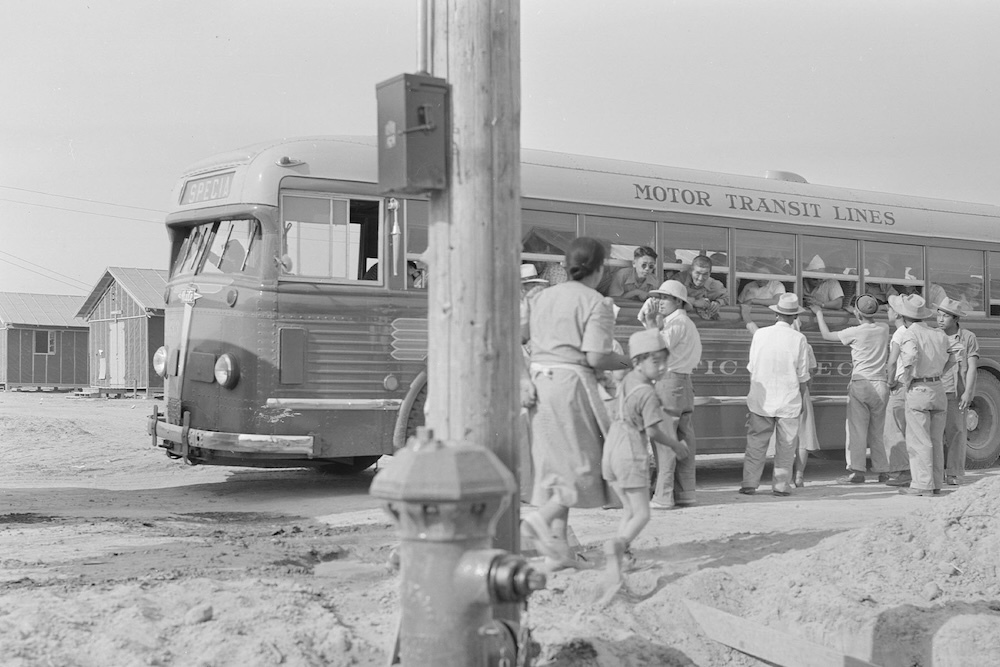
Noguchi and Japanese American Internment During World War II
Join curator and scholar Christina Hiromi Hobbs for a talk on Isamu Noguchi's voluntary incarceration at the Poston War Relocation Center during WWII.
Thursday, November 19, 2026
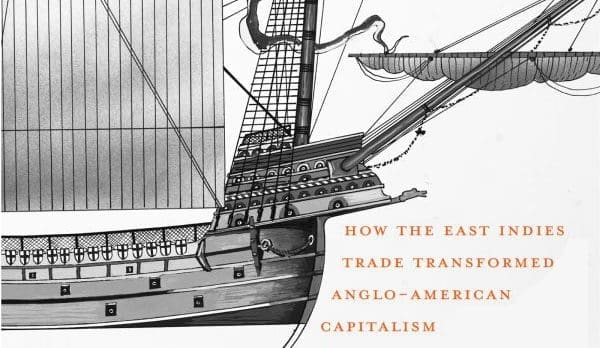
To the Farthest Ports of the Rich East: Profit and Peril in the New Trade to Asia
With independence from Britain secured, in the 1780s American began trading to Asia for themselves. They bought tea in China. They sailed to the East India Company-administered India for cloth, to Yemen and Dutch Java for coffee, to Sumatra for pepper, and to many other ports in between. The trade to Asia accelerated as the French Revolutionary and Napoleonic Wars (1793-1815) kept European traders out of Asian waters, creating a tussle between British and American crews to supply French-occupied Europe with Asian goods. This process created a new class of American investor-capitalists and the first American millionaires. Yet such wealth came at a cost, as the ever growing and increasingly wealthy American trading fleet was a tempting target for foreign states and pirates—from Britain and France to Barbary and Yemen—against which the U.S. Navy was not always a match.
James Fichter, is an historian of early America, the British Empire, and international trade. His book, So Great a Proffit: How the East Indies Transformed Anglo-American Capitalism (Harvard: 2010), examined the relationship between the American (especially Salem) and British trades to the East Indies in the late 1700s and early 1800s. His book, Tea: Consumption, Politics, and Revolution, 1773-1776 (Cornell, 2023) charted the rise and collapse of tea politics in North America. His article, “The Palimpsest Captive” (Huntington Library Quarterly) reconsiders the 1806 loss of the Salem merchantman, Essex, in the Red Sea. His forthcoming work includes the books, The Real Boston Tea Party, and Mammon: The American Revolution and the Slave Trade, as well as an article on the fate of the Salem merchantman, Friendship, attacked by “pirates” in 1831.
While admission to this event is free, space is limited; registration is strongly encouraged.
CLICK HERE to register
After the lecture, join James Fichter for a book signing. A limited number of copies of So Great a Proffit: How the East Indies Trade Transformed Anglo-American Capitalism will be available for purchase. Since supplies are limited, you are welcome to bring a copy of any of his other books you already own to be signed as well.
This program is part of the Conflict & Community: Salem, Essex County, and the American Revolution lecture series. This series is a partnership between Essex Heritage and Salem Maritime National Historical Park and highlights the unique role of Essex County communities during the American Revolution. CLICK HERE or more information about Conflict & Community programs.
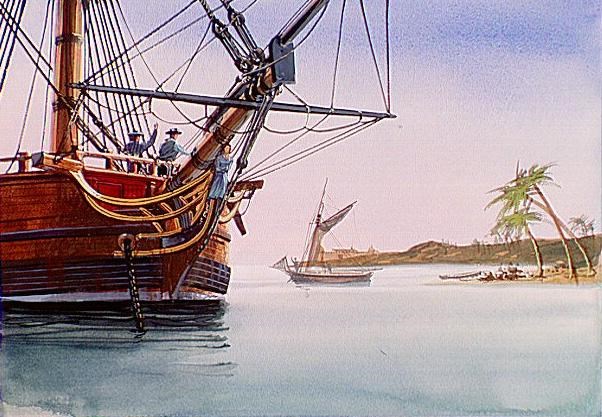
“To the Farthest Ports of the Rich East” Lecture
Join James Fichter as he discusses profit and peril in the new trade to Asia With independence from Britain secured, in the 1780s American began trading to Asia for themselves. They bought tea in China. They sailed to the East India Company-administered India for cloth, to Yemen and Dutch Java for coffee, to Sumatra for...
\n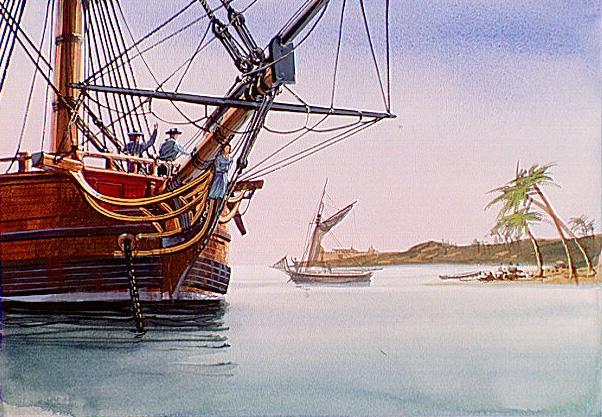
"To the Farthest Ports of the Rich East" Lecture
Join James Fichter as he discusses profit and peril in the new trade to Asia
With independence from Britain secured, in the 1780s American began trading to Asia for themselves. They bought tea in China. They sailed to the East India Company-administered India for cloth, to Yemen and Dutch Java for coffee, to Sumatra for pepper, and to many other ports in between. The trade to Asia accelerated as the French Revolutionary and Napoleonic Wars (1793-1815) kept European traders out of Asian waters, creating a tussle between between British and American crews to supply French-occupied Europe with Asian goods. This process created a new class of American investor-capitalists and the first American millionaires. Yet such wealth came at a cost, as the ever growing and increasingly wealthy American trading fleet was a tempting target for foreign states and pirates—from Britain and France to Barbary and Yemen—against which the U.S. Navy was not always a match.
This program is part of the Conflict & Community: Salem, Essex County, and the American Revolution lecture series. This series is a partnership between Essex Heritage and Salem Maritime National Historical Park and highlights the unique role of Essex County communities during the American Revolution.